
The Siren Closet
A mobile-first home for an editorial styling house: her Depop shop, her portfolio and her voice in one place
The Siren Closet is an editorial styling house. She sells curated vintage and secondhand pieces and puts together styled wardrobe bundles. Her shop already lived on Depop, but Depop only shows what's for sale. She needed her own site that reflects her Depop store, shows off her styling work to land more serious clients, and gives her a place to blog about fashion. I designed it in Figma, built it in Framer, and used Claude for the tricky part: custom input fields and filters that let her bring every Depop item onto her own site.
Mobile First, On Purpose
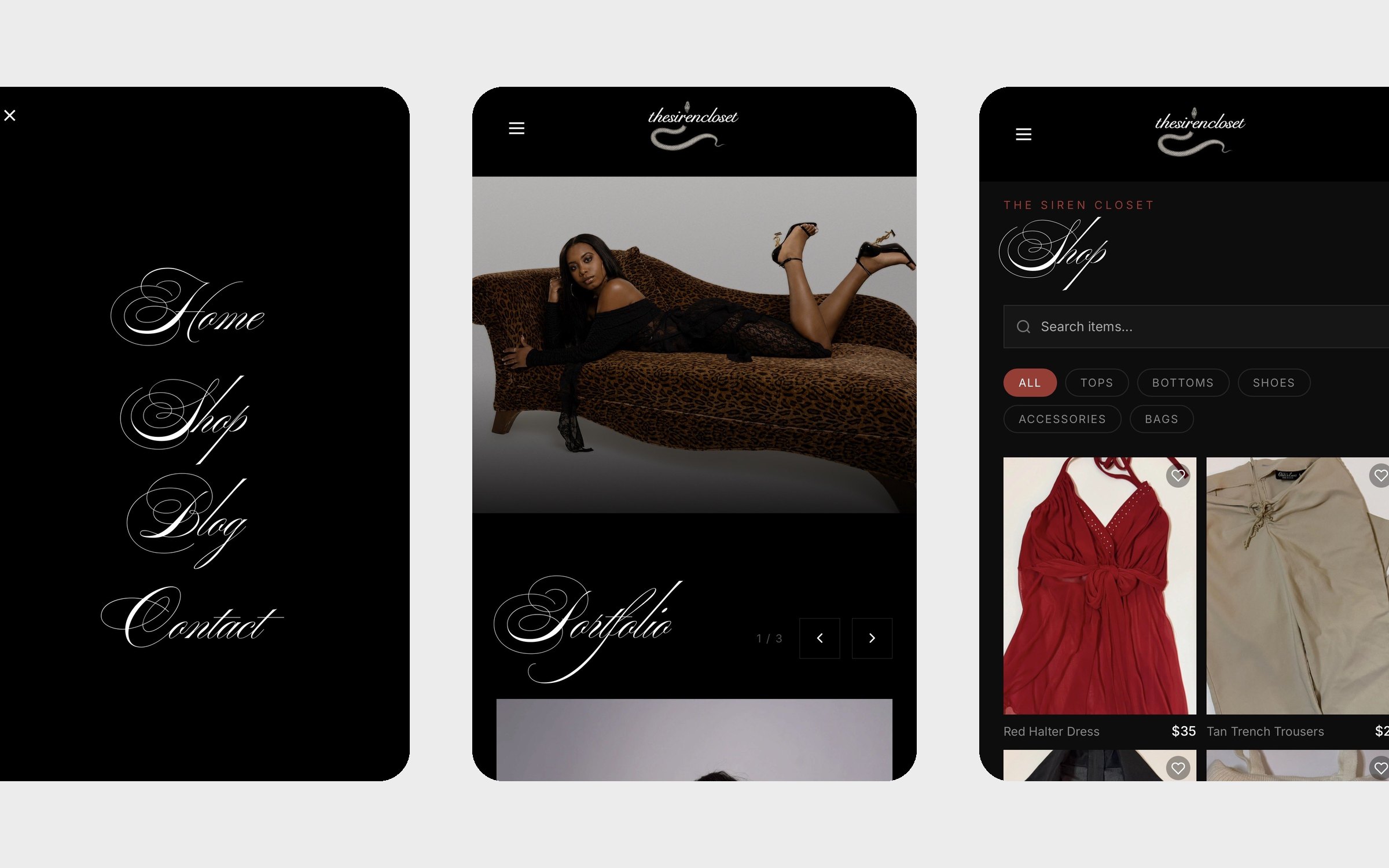
Her customers find her on Instagram and buy on Depop, and both of those live on the phone. The Depop connection was the client's top request, so the whole site was designed for a thumb before a mouse: a full-screen script menu, search and category chips within easy reach, a two-up product grid that feels as familiar as a Depop feed, and prices right under every piece. The desktop layout came second and scales up from the same system.
Reflecting Her Depop Store
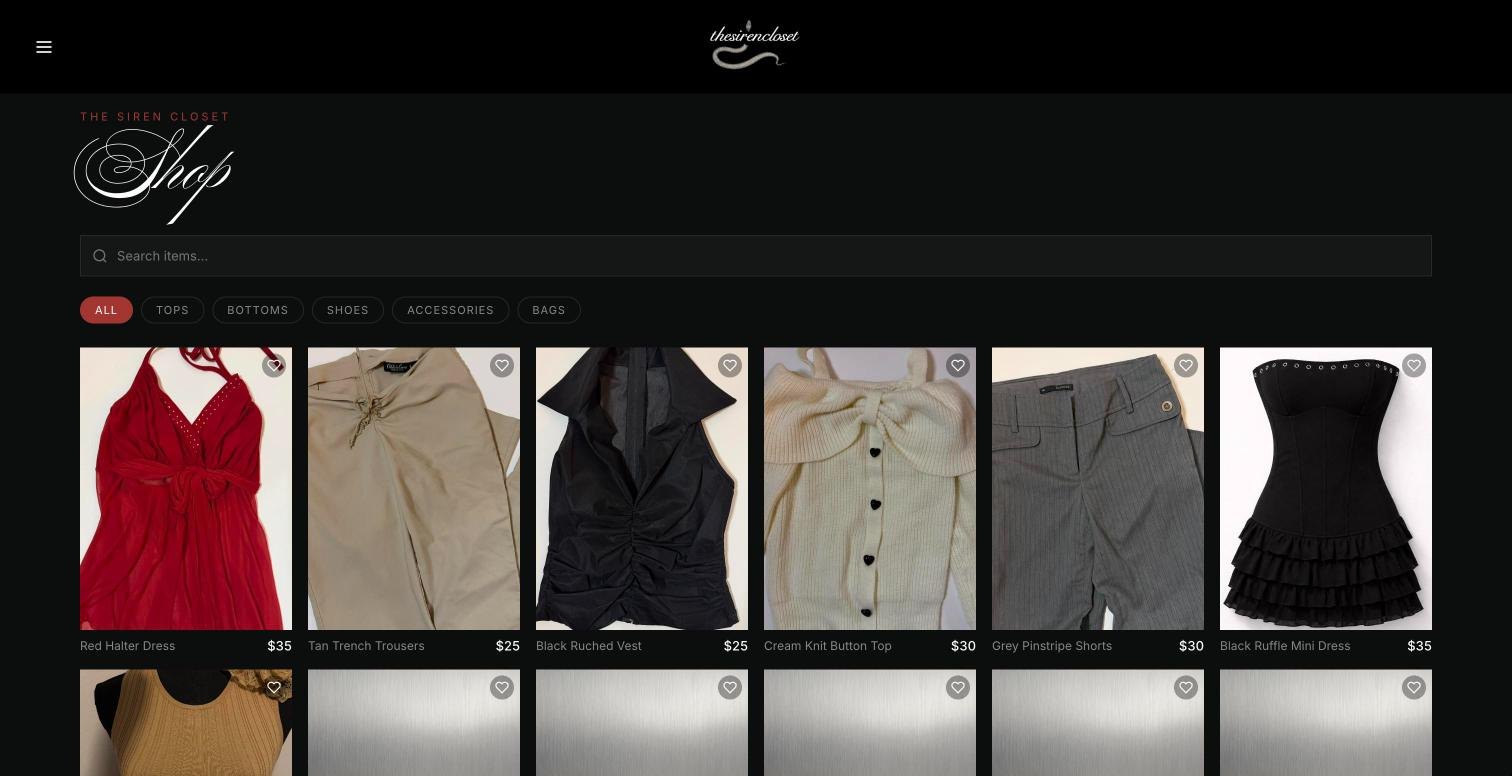
Depop doesn't let you bake a storefront into another site, so copying it exactly wasn't an option. Instead, the site reflects it. Each piece she lists on Depop gets a matching entry on her site through custom input fields: name, photo, price, category and whether it has sold. Those fields drive the filters, so every item lands in the right category automatically.
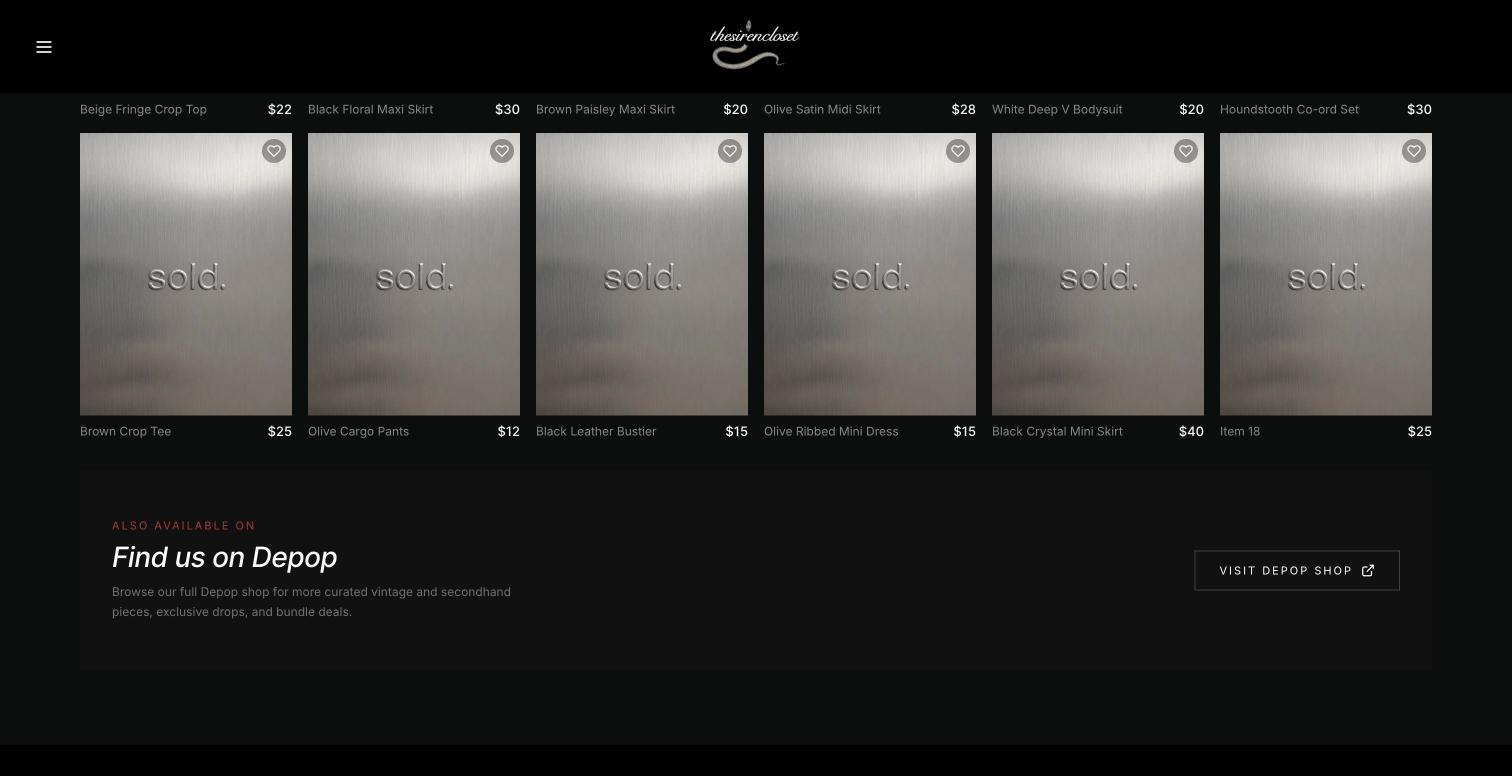
Sold pieces stay marked right in the grid so the shop never looks empty, and when a category runs dry the page points shoppers to her Depop shop instead of a dead end. Checkout stays on Depop, where her customers already trust it.
From Figma to Claude to Framer
Like the Club Indgo site, this one went from Figma to Claude to a live site. I designed every screen in Figma first, mobile-first, with the script type and editorial art direction locked in. The shop was the hard part: a template couldn't reflect a Depop store item by item. So I brought the designs to Claude and built the custom input fields and the filters that sort each piece with it. Then everything came together in Framer and went live. I stayed in the designer's seat the whole way, directing every layout and interaction, while Claude handled the engineering that would normally need a developer.
More Than a Shop
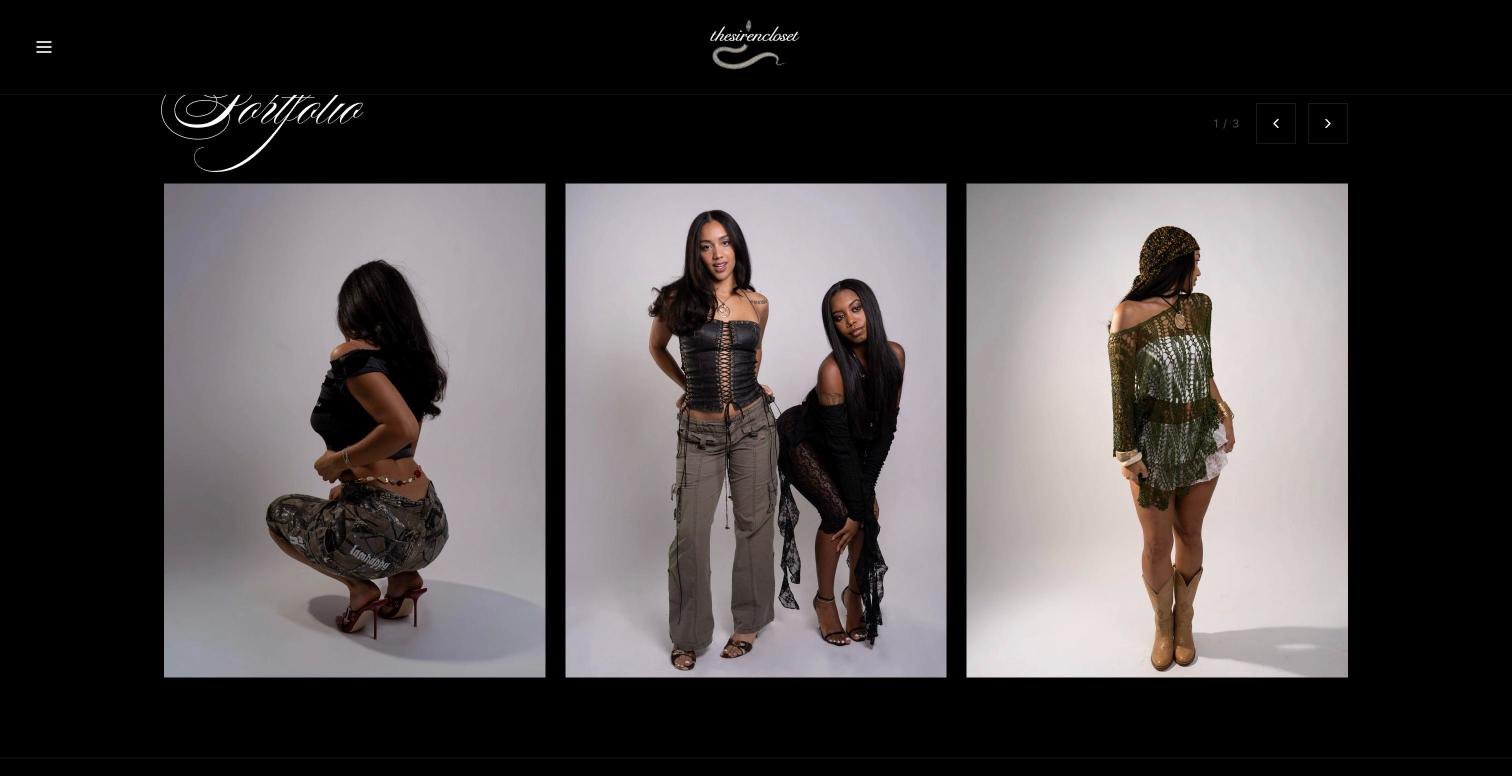
Depop shows what she sells. Her site shows who she is. The home page opens on an editorial portfolio of her styling work, so new visitors see her eye before they see a price tag.

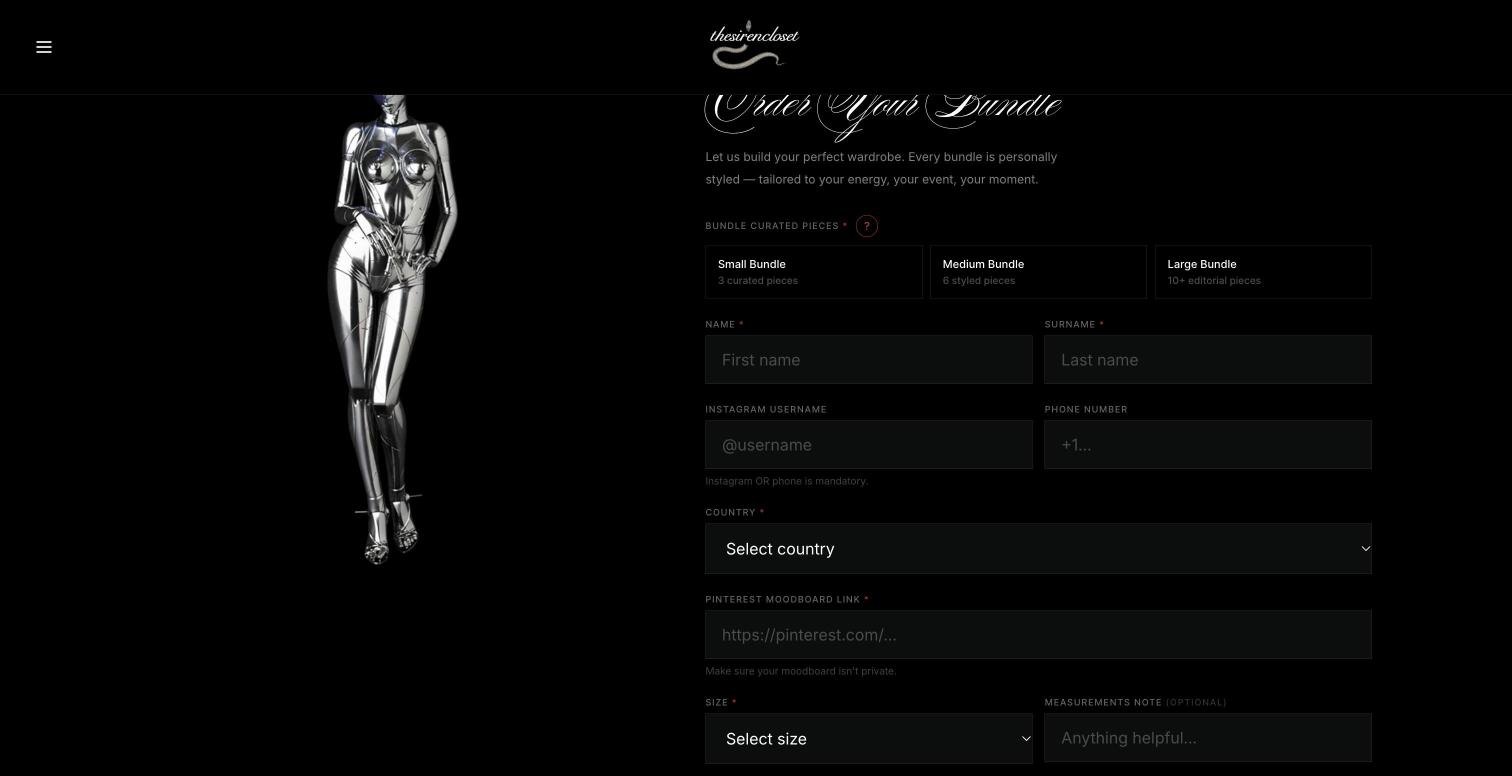
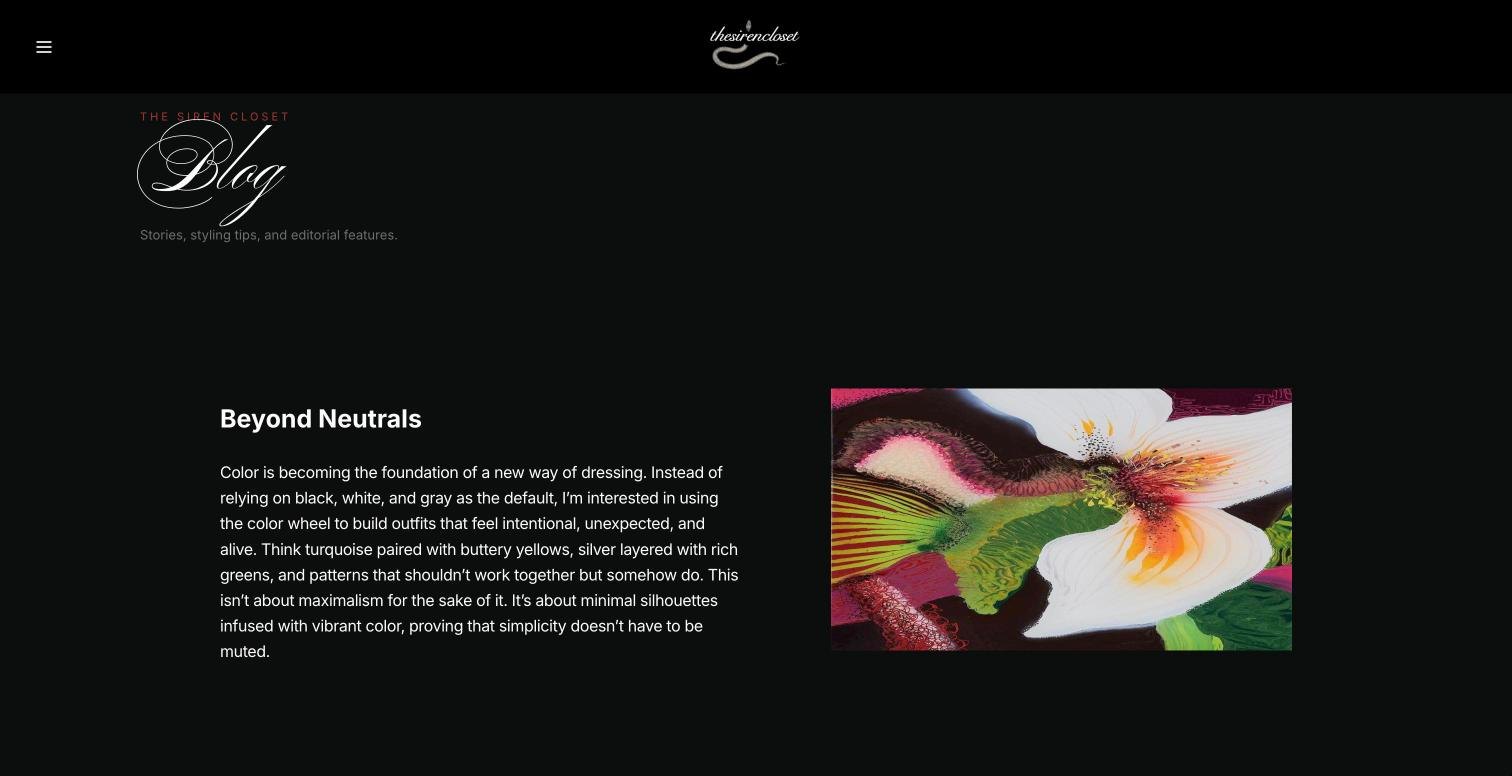
That leads into “Order Your Bundle”: small, medium and large styled bundles, with an inquiry form that collects a Pinterest moodboard, size and measurements, which brings in more serious styling clients. And a blog gives her a place to write about fashion and keep people coming back between drops.
The Impact
Since launch, she can list, update and sell her pieces on her own, without needing a developer, and her styling work finally has a home of its own. Showing that client work right next to the shop has grown her reach and brought in new styling clients.